I started this page because I wanted to not only solve weight loss for myself, but to also make sense of weight gain/loss and how it affects us. I have lost 175 pounds over 3 years – but I gained 130 back over 6. I have now taken 28 of that off. But previously I lost 76 pounds in 67 days, then gained that back. I don’t know how many times I lost 25-50 pounds, only for it to come back on. Many SEE you and think “lazy” or “couch potato”. Many also think of you as “stupid” because you can’t count calories. But a MAJORITY of people see you too weak of a person to turn down a donut.
I am representing many overweight people here who never gave up. But more importantly, I KNOW I can lose weight, so why do I keep putting weight back on? Was I born a weak person? Do I have a gene that makes me gain weight? In my most recent discovered of 28 pounds of weight loss, MY issues have been a diagnosis of ADHD/OCD like 6 months ago. What I learned during this is I do not create enough dopamine or norepinephrine.

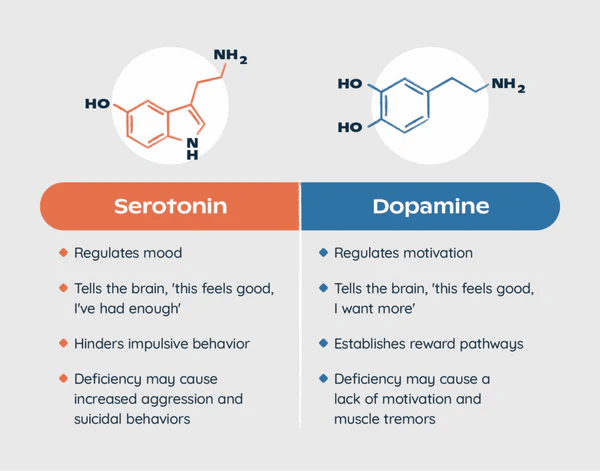
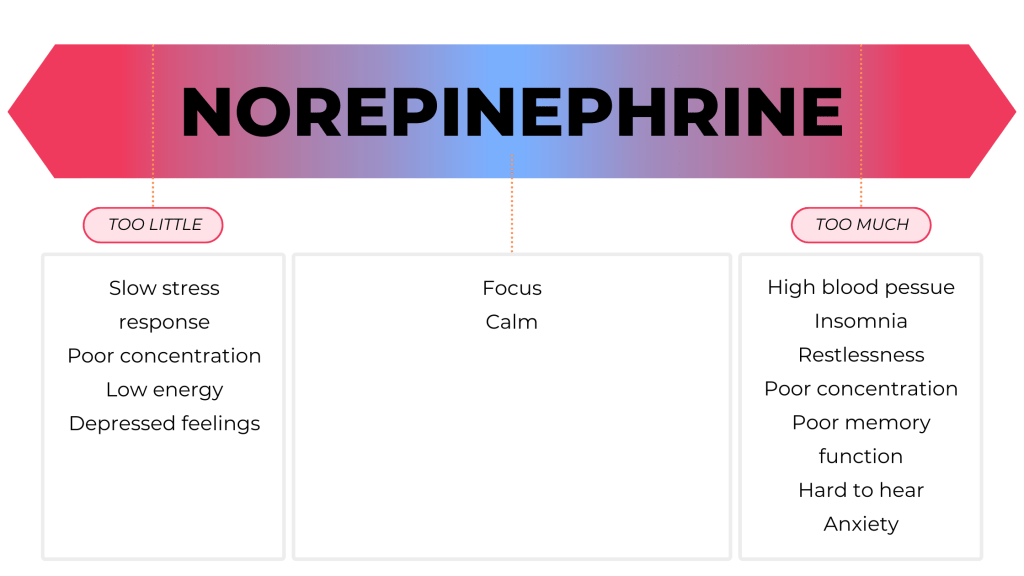
In my particular case, my parents fought all the time. This led to them essentially bribing us with food. Cheesesteaks from DJs was the top thing, but so was pizza, chocolate, and ice cream. This was a coping mechanism. When times felt bad, we reached for items that lit our brains up. My dad had ADHD, but this was far before anyone really knew much about this. Likewise, if we did good with report cards, they would take us to Shady Maple or Ponderosa for “all you can eat”. Every holiday was a celebration of some form of gluttony. Let me tell you about Christmas in my home every year – feats of eating. All of this was done before I was 12 – these were Christmas Eve events.
- Eating a half gallon of ice cream for Xmas. Then finished my brother’s. My dad opened up a half gallon of ice cream on a plate for each of us
- 6 double cheeseburgers at Burger King
- 4 cheesesteaks
- 15 tacos
Additionally – from my personal experience, I now understand a bit more about mental health. There was me (normal) and then people who were diagnosed stuff in therapy. I saw them as perhaps “off”. Like maybe they might go nuts on me. When I found out I was a card carrying member, I started to understand things better. I know that in my 20s and during college, I drank a TON. I was never addicted to booze. For me, it quieted my mind and allowed me to live in the present. When not on alcohol – my brain was constantly processing things.
OCD – this manifested in me where every embarrassing thing I ever did, or the most egregious, were on a constant highlight reel causing me pain. Seeing an ex gf in my mind when breaking up with her, saying “no” to a girl whose friend asked me to the prom when I thought the girl was going to say someone else’s name and hurting the girl’s feelings. Wearing my band outfit to a rally. Drunk talking to someone. Losing my job and being out of work for 15 months. I have a highlight reel that had about 30 events on constant loop. Another 20-30 are here and there. The meds stopped that searing pain. So I see the stuff like I did, but less, and now I am not feeling the torment that I did. Additionally – the OCD had me in severe states of anxiety trying to plan for every possible outcome to try and keep my family safe. While I still can plan – I don’t obsess about it like I used to. The point here is that untreated – this would put me often in mindsets of feeling down (embarrassment/shame) as well as feelings of fear (pain to my loved ones in any way). That high level of anxiety then creates a whole lot of cortisol. Sleep is hard to come by which makes things even worse. Alcohol for me would numb this pain and anxiety and I would have my brain slow down.
Therefore – I feel like mental health needs to be an element of ANY weight loss program. You need to understand what you are feeling. You need to be screened for stuff. In my case, perhaps a lot of this could have fixed 35 years ago had I been diagnosed with anything. However, the OCD/ADHD combined were a super power for learning anything I had interest in. Once I started taking the meds, in a few weeks – my chess.com puzzle rating went down 200 points. My ability to “hook into” things for sustained periods of time is now diminished. So I might have in the past been driven with compulsions to solve a chess problem. Now, after like 15-30 seconds, there is no deep compulsion to solve it, and I just move on. So AFTER I have the masters degrees and career built – it’s now nice to drop some IQ points in order to live a quiet life. And I’m happy. And now with that, weight is flying off of me. I have yet to start my workout plan.
Policies!!
The goal of a lot of this – end state – is to have all of this eventually get to a national policy. This isn’t about “advocating for keto”, it’s about presenting science for scrutiny. A good portion of this program is meant for people to join it, educate themselves, lose weight, and report their results. These results I wish to then look at a grant from the state of PA for a larger study, using the results from this smaller sample. The goal long term is to tie in your therapist, doctor, nutritionist, and trainer into one overarching program to benefit YOU. Today, you have all of these disciplines acting on their own, not in alignment with each other.
When my mom had cancer, a panel of doctors would meet to discuss her test results and treatment. What if there was a software or process that looped in all 4 of these? Let’s look at an example below:
Doctor – “you have high cholesterol, here is a statin. You are overweight and you have an elevated HBA1C. We’re going to keep an eye on that. Maybe we can give you a pill to reduce that. Also, you need to lose weight”
Nutritionist – “here is what you should eat. It’s mostly plant-based as meat is terrible for the environment. Make sure you eat lots of whole grains and fruits.
Trainer – “you need to do bro splits and work out every day. Take protein powder. Step on this scale once a month. Drink water. Carbs are fine, you just need to go on the hamster wheel more”.
Therapist – “ummm – I don’t have a therapist”
Instead – let’s look at the below example…
- Go to a therapist. Be screened for things like ADHD which may force you into a dopamine-seeking mode and have you constantly crave bad food. Let’s address the ADHD with medications so you do not eat terrible. Let’s talk about some issues you have and your coping mechanisms. How do you deal with stress? High stress levels can create a lot of cortisol.
- Go to a doctor. He can prescribe you the meds for your conditions, if needed. IF you had a dopamine-seeking behavior, this could be corrected. The doctor can review the plan, and comment on whether or not a low carb diet is right for you. For example, if you are far gone on type 2 diabetes, just cutting off carbs could give you ketoacidosis. The doctor should get your lipid panel, HBA1C, etc. This can give you a starting point. I personally do not feel statins are needed. Your cholesterol ratio is more important than your overall number – in my opinion.
- Go to a nutritionist. This person can review the program – which has about 6 weeks of a strict ketogenic diet followed by gradually adding carbs back in. They can tell you about the healthiest foods to eat under this umbrella. There are also tests you can do to see if you have sensitivities to some foods. They should be able to tell you the right mix of protein/fats/carbs and give you plenty of suggestions and meal plans.
- Go to a trainer. This trainer should be able to see all of the above in a portal. I have met a good amount of trainers over the years, and many of them are kind of just pointing you to a program you can do yourself. My trainer I had for 3 years was exceptional and not of this earth. She used something called “muscle confusion” and every single time I was there, it was a new routine. She told me, “you only need to work major muscle groups 1 time a week. Maybe twice”. So I would go HARD for an hour on Saturday with weight training and eventually would add a lighter Wednesday to it. The muscle confusion for me ACCIDENTALLY was the RIGHT way for me – and part of this entire program is to try and understand what can work for the person, using an overall low(er) carb approach.
In the above example, I envision an app on a phone which is like a portal. You can either be a user or provider. The USER like me would sign up, and I would see all of the info I need. Height, weight, lipid panel results, HBA1C, etc. A provider would sign up to the service and thus the user can invite the provider to that respective area of their care for comment. The provider can then see results other providers posted in the app. All of this is contained to the USER and the providers, encrypted. The owners of the app cannot see the data. The user and providers are given a private key as part of the PKI so they can read anything under that user’s information.
In this respect, a doctor can see notes from a therapist. The doctor then reviews this, orders the results, which can be posted in this app. The nutritionist then sees “focus on keto-low carb” and is able to post items in the app like meal plans, ideas, etc. The app itself could have a user community where they share recipes, exercises, etc. The trainer can then see – “hey, this person is ADHD, they are on meds, and might require a unique “muscle confusion” scenario to keep them engaged and giving them new stimuli”.
The program essentially has you going to these service providers over 1-2 month which will give you a long term plan. As you are doing this plan, you might have a weekly appointment with each over the app. For example, a 10 minute check in with a doctor one week, the next week is a 10 minute check in with the therapist, etc. As time goes on, and you start to reach goals, the support may drop to once every 2 weeks, then once a month, rotated amongst the 4.
The problem with a lot of weight loss today is that that promote calories in/calories out, and with that – once you hit your goal, you have no more support, which can then perhaps lead you back to old habits that got you into that position.
So – this program I believe can supplant Weight Watchers as a weight loss program strategy, but the bigger picture is to lobby for policies that address keto-low carb diets above “whole grain” and “fruit” which is pushed on people as “healthy”.
The steps…
- build this out here over months. Use OMAD, keto, low carb, and fasting as tools to improve benchmark numbers. Not just weight, but everything.
- lose weight demonstrating this plan. Record results and demonstrate viability of program.
- get others to embark. Record results as if this was a clinical trial. Once I start posting results, I will ask others to join. I have created videos of the overarching principles that people can watch prior to starting or committing.
- Use results of 10-20 people to then apply for a grant
- If grant given, set up a trial of 4 professionals to work within the app to test. Use money to pay professionals to assist 100 individuals in York county, PA.
- Use results from grant over 1 year to apply for larger grant to help 1000 people.
- use results from larger study to build out private company with data
- Use success from company to lobby for national food-related policies
- Solve obesity through changing the way we address it. Today, it is “you need to eat less and go on the hamster wheel more”. The problem is, if you are a desk jockey all day, you have no business eating hundreds of grams of carbs. So if you aren’t eating carbs, there’s no reason to do the hamster wheel.
Am I thinking big? Yes. I lost 175 pounds doing exactly opposite of what medical advice had told me. What I did worked. Where did I fail? I had undiagnosed ADHD and ridiculous amounts of stress I had no means of coping with. Both led to some unhealthy eating patterns, but the stress was also responsible for triggering eating habits which produced dopamine.
If not me, who else is stepping up? I am in a position where I feel that this is the next chapter of my life 7-10 years from now, and if I can solve this problem with myself, and others, and LOTS of others – this program can be replicated at the national level.
Of consequence as well – is this program promises to PROACTIVELY seek out fighting cancer and other disease using autophagy periodically to promote malformed cells to be cleaved by your body for recycling. While “weight loss” is what everyone sees here as the hook, the reality is that you are making people healthy in the sense that it will reduce disease decades down the road, reducing expenses on things like health insurance, medicare, etc.
 Low Carb Fitness 180
Leave a comment